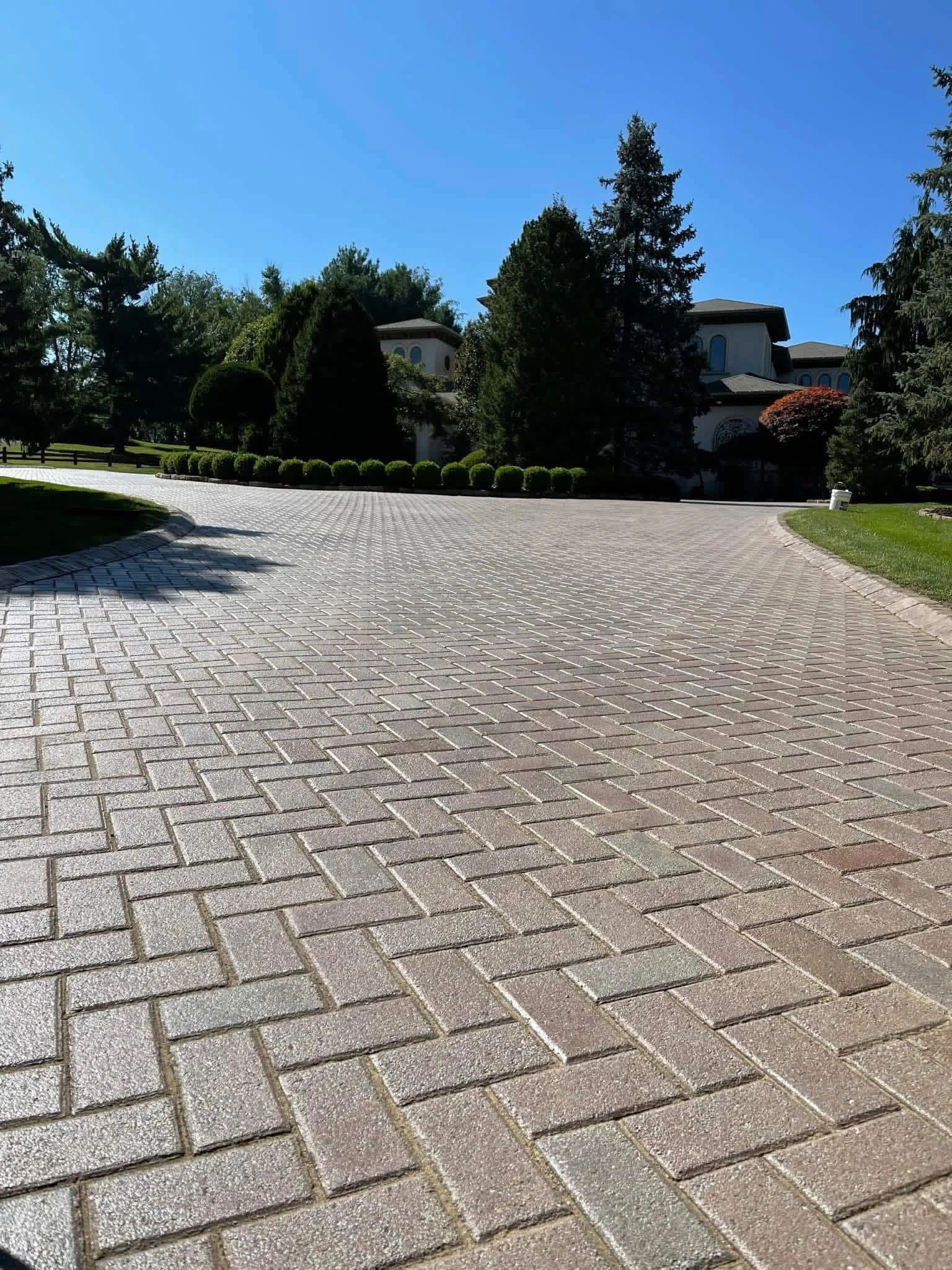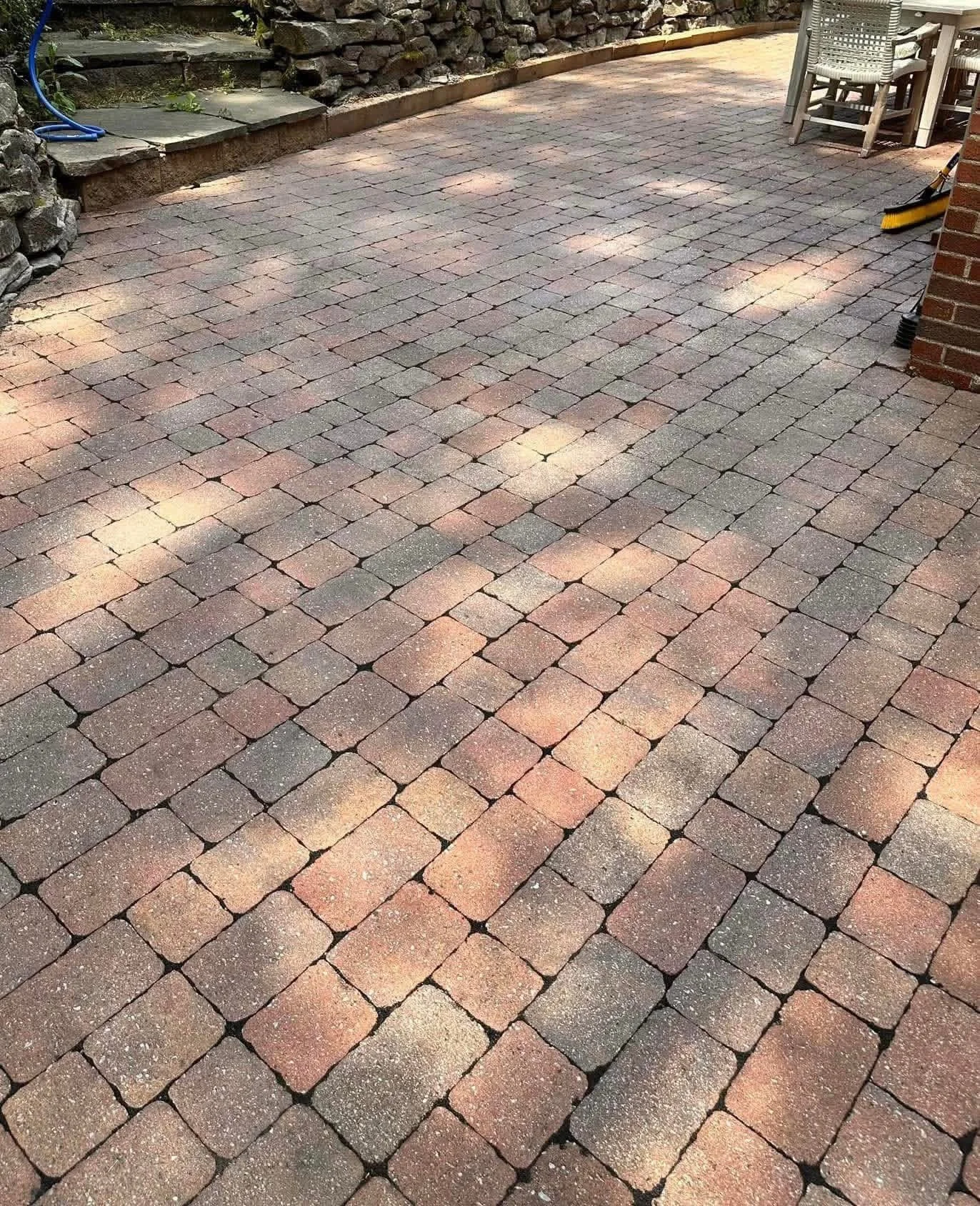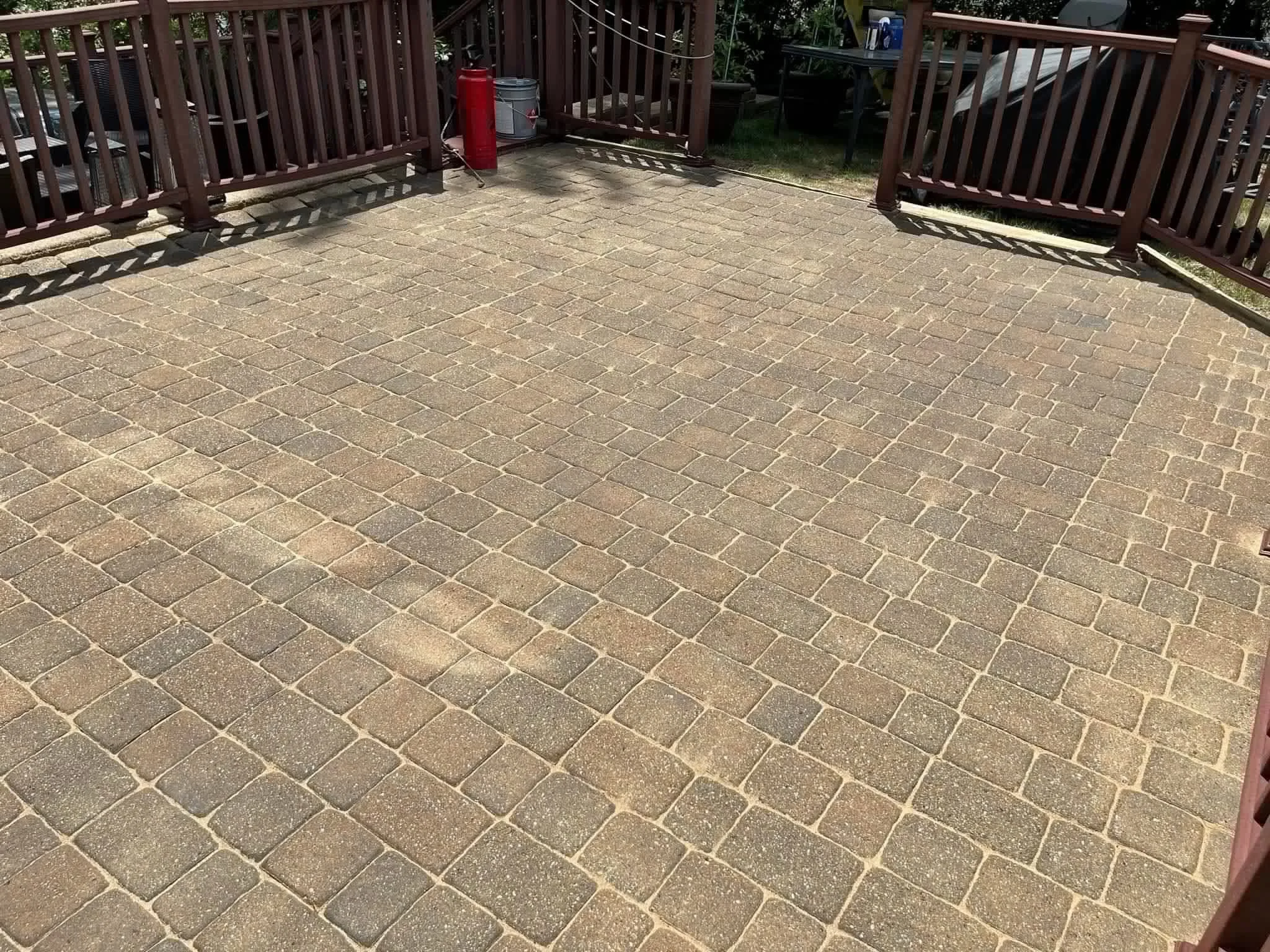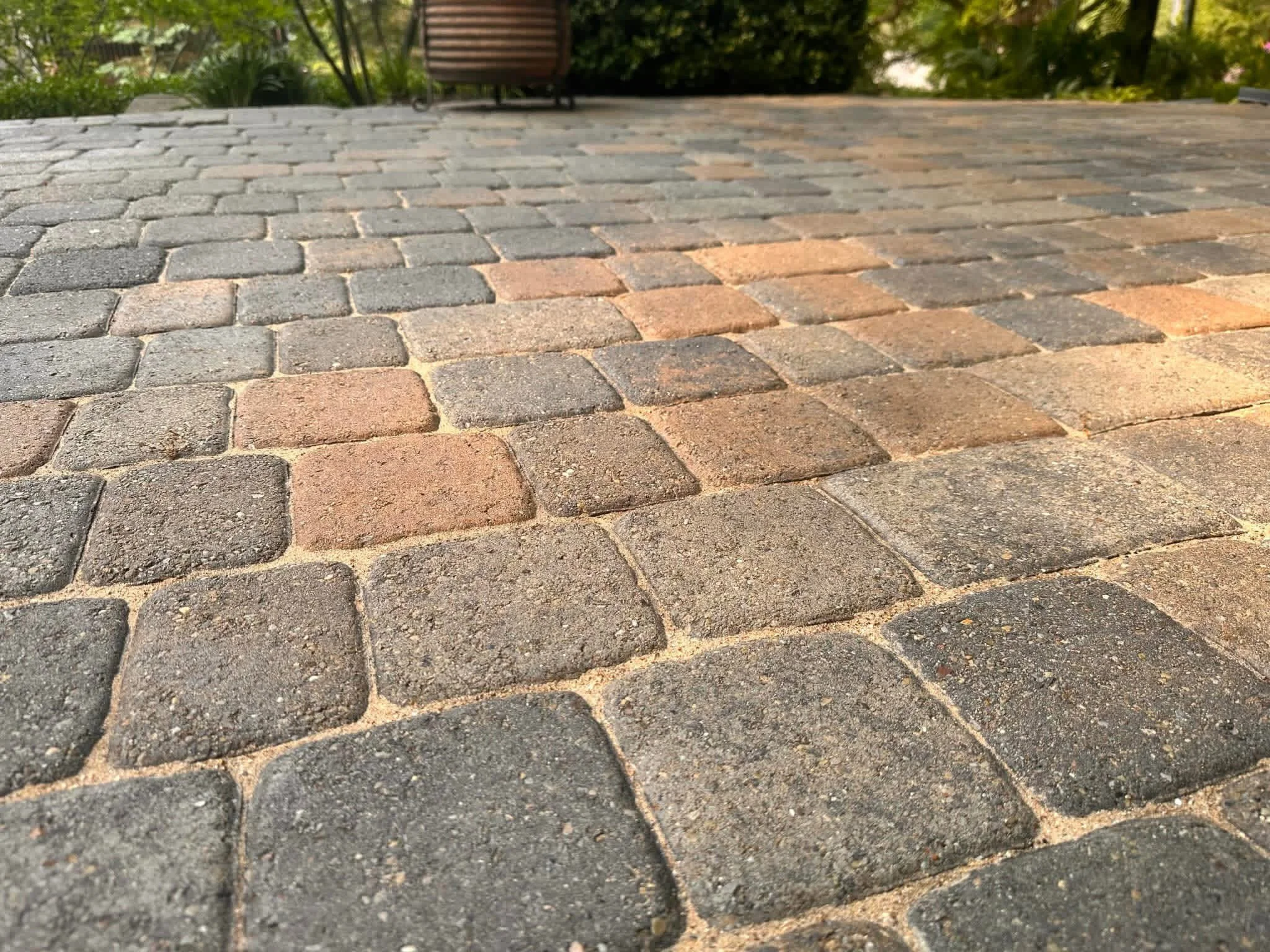
Proudly serving :
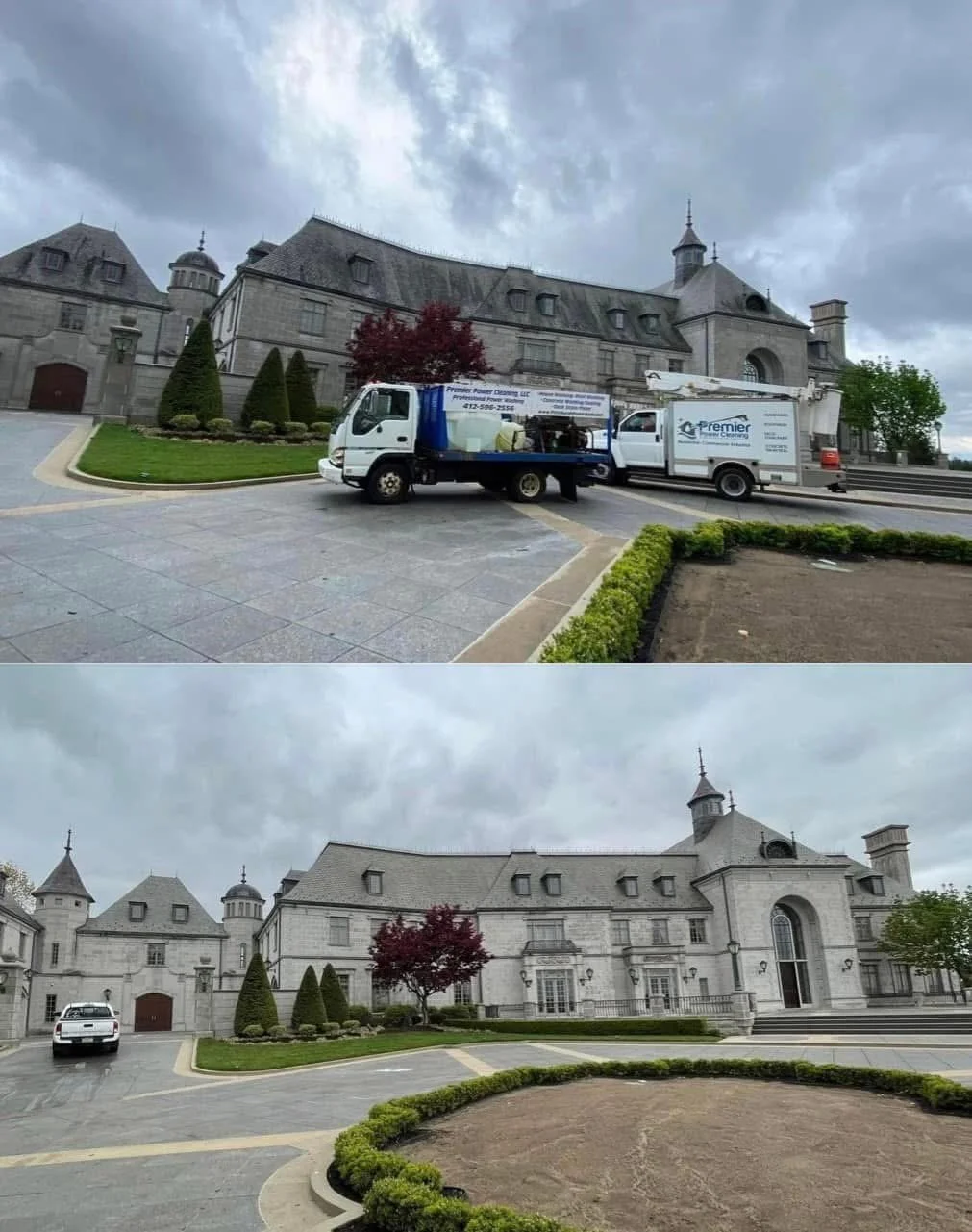
Property Managers / HOA Communities
Residential Customers
High Traffic Commercial Properties
Resorts / Hospitality
Industrial / Warehouse Facilities
Our Services:
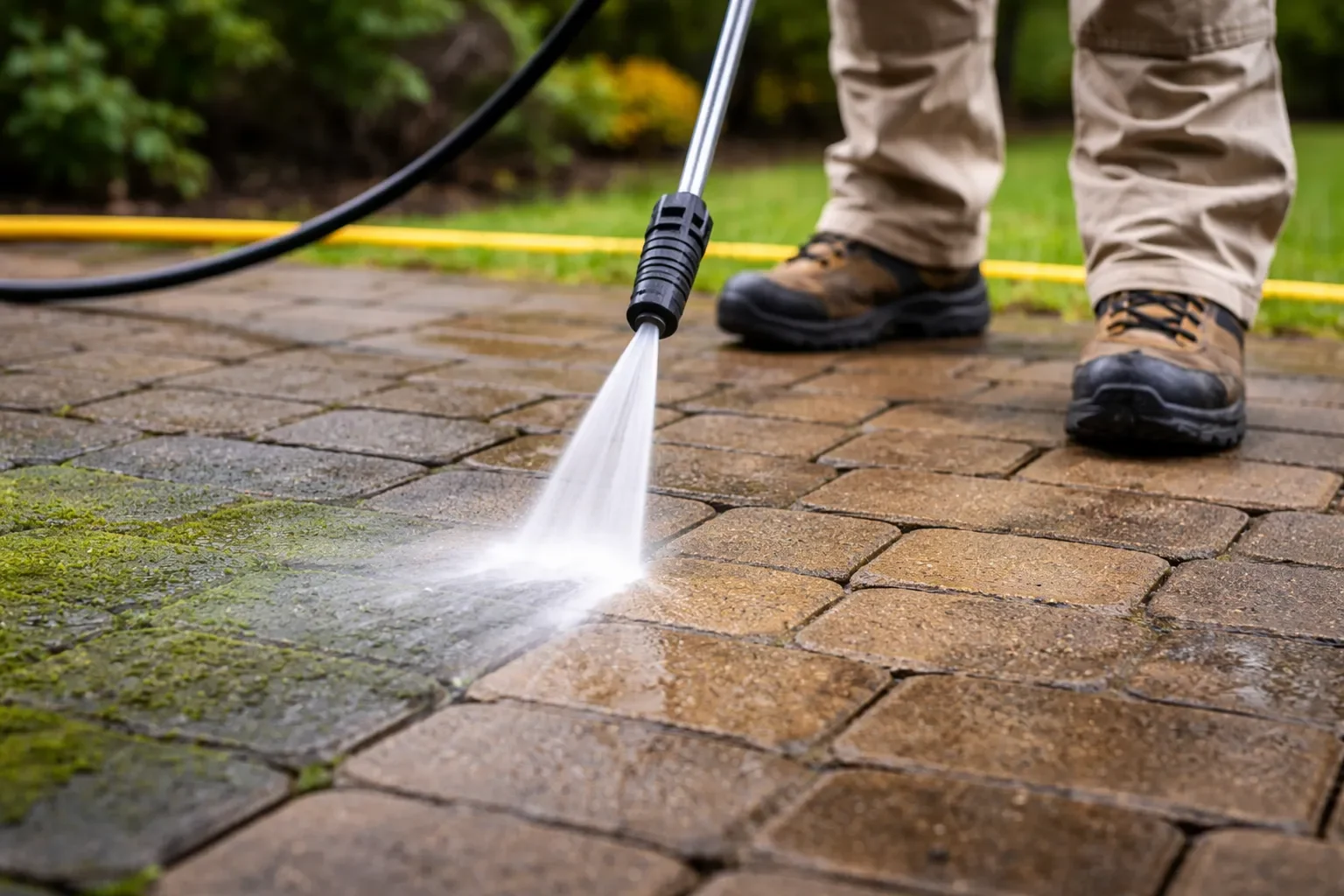
Power Washing Pavers for Sealing
Assessment of Pavers:
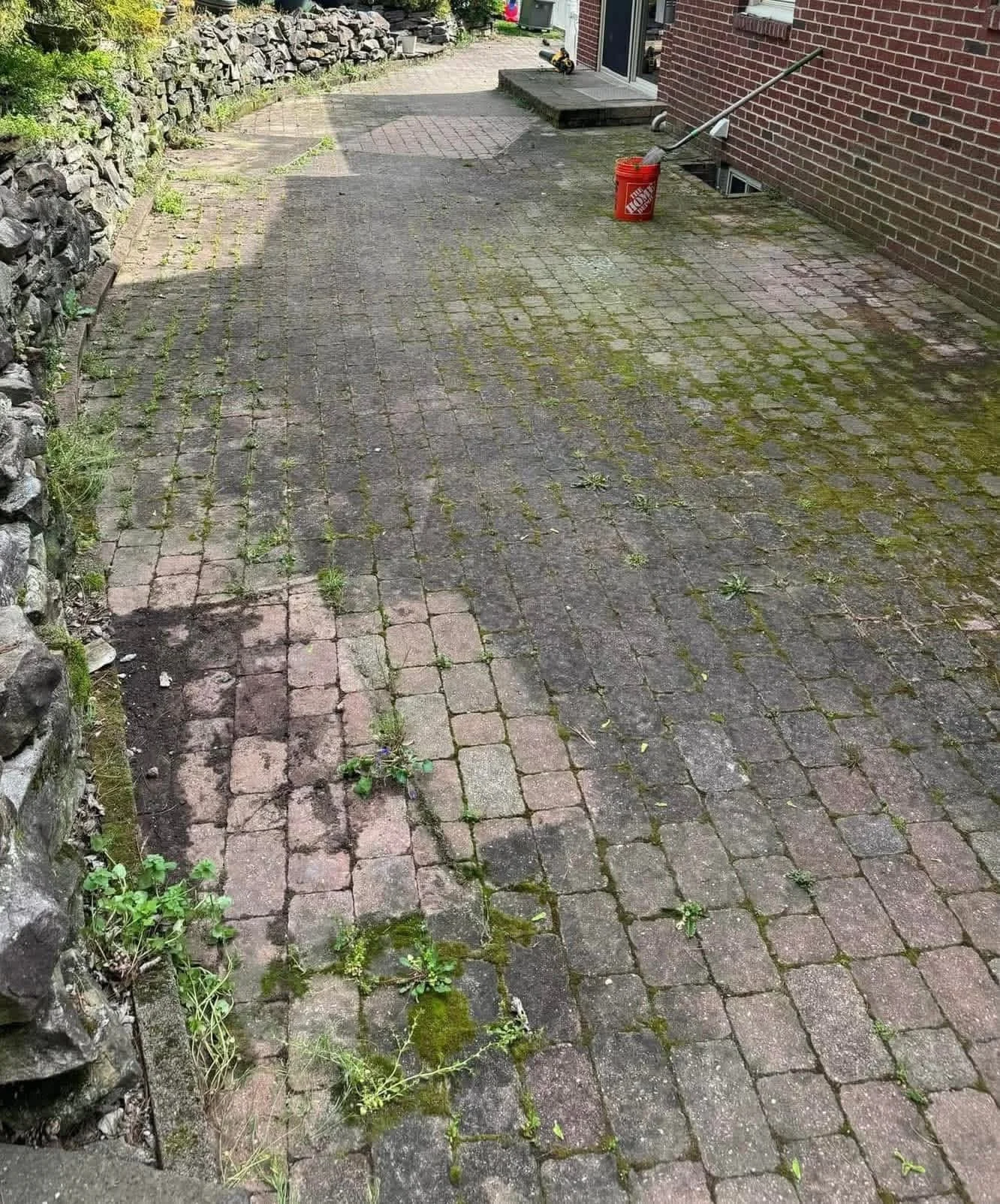
Before beginning the power washing process, we assess the condition of the pavers. This includes checking for stains, mold, mildew, and any damage that may need attention before sealing.
Pre-Washing Preparation:
We prepare the surrounding area by removing furniture, planters, and any obstacles that may impede access to the pavers. It’s also important to cover nearby plants and landscaping to protect them from debris and cleaning solutions.
Applying a Pre-Wash Treatment (if necessary):
For heavily stained or soiled pavers, we may apply a pre-wash treatment or eco-friendly cleaning solution to help break down stubborn stains, oil, or algae. This solution typically sits for a specified time to maximize effectiveness.
Power Washing:
We use a high-pressure power washer equipped with a specialized nozzle designed for cleaning pavers. The pressure is carefully adjusted to avoid damaging the surface while effectively removing dirt, grime, and contaminants.
The power washer is moved in a consistent pattern, ensuring even cleaning across all paver surfaces. For best results, we often work in sections, ensuring thorough coverage.
Rinsing:
After power washing, we rinse the pavers with clean water to remove any remaining cleaning solution and loosened dirt. This step ensures that the paver surface is completely clean and free of any residues.
Drying Time:
Once rinsing is complete, we allow the pavers to dry for a sufficient period. This is crucial because the surface needs to be completely dry to ensure proper adhesion of the sealant.
Final Inspection:
After the pavers have dried, we conduct a final inspection to ensure all stains, dirt, and debris have been removed. Any areas that may need additional attention can be addressed before moving to the sealing process.
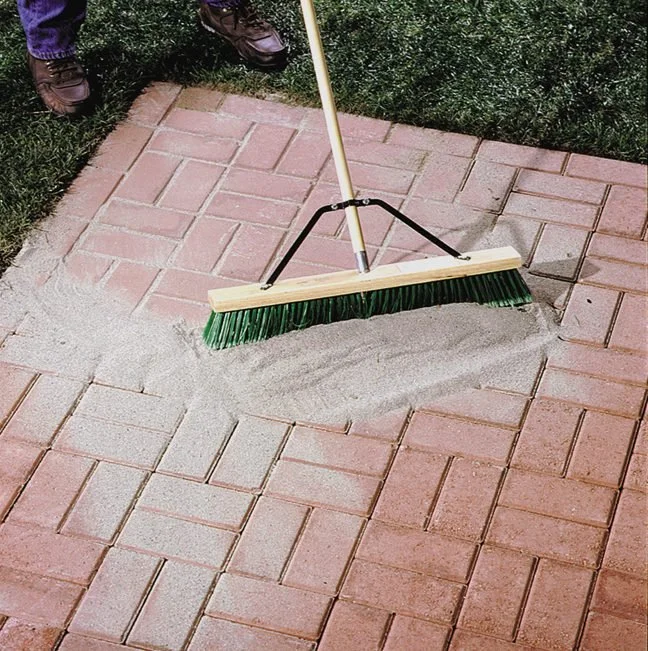
Re-Sanding in the Paver Restoration Process
Re-sanding is a vital step in the paver restoration process that helps restore the structural integrity and aesthetic appeal of your paved surfaces. Here's how it works:
Importance of Joint Sand:
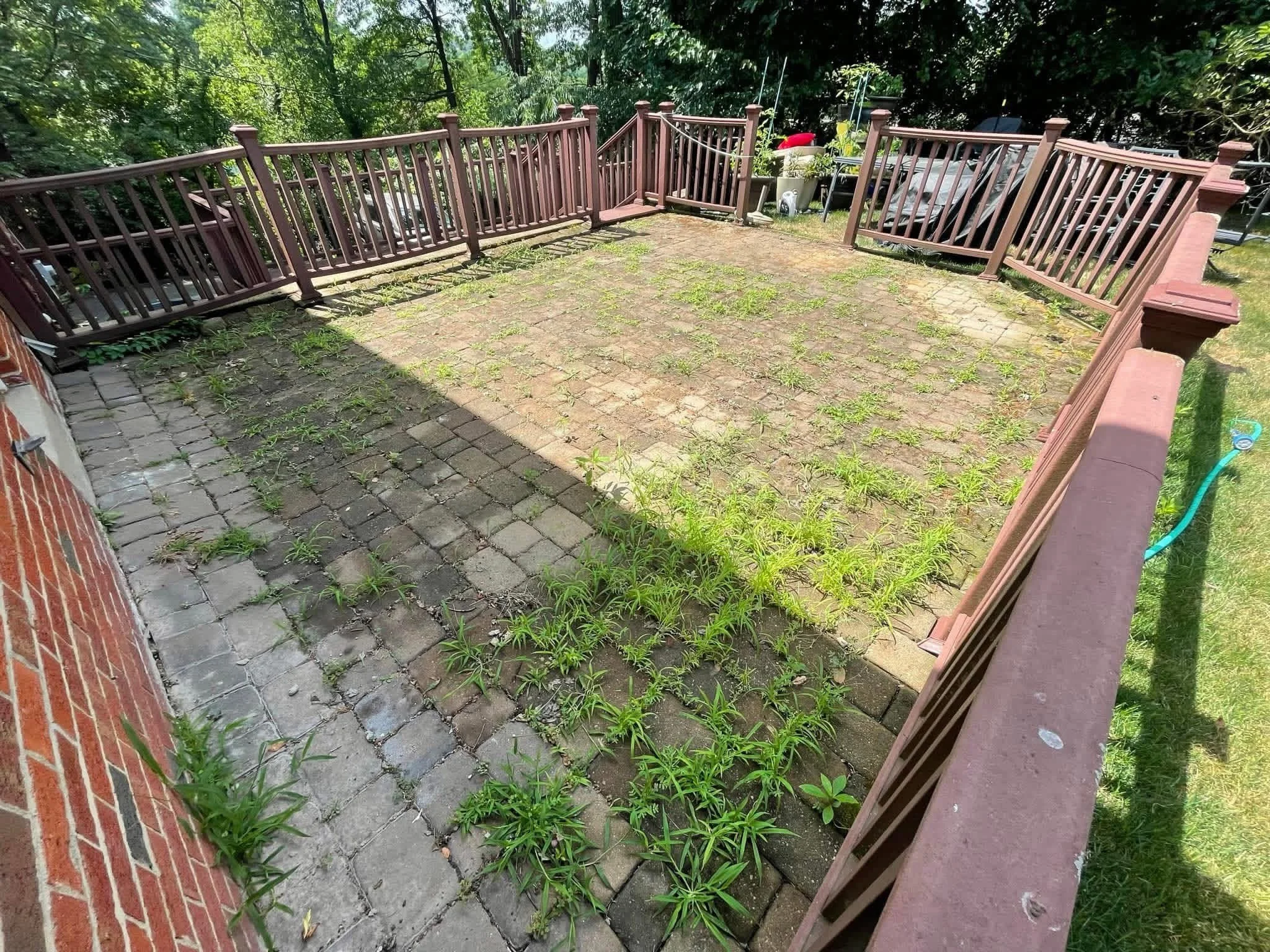
Pavers are laid with joints between them, which are filled with sand. This joint sand helps lock the pavers together, preventing shifting and settling while also providing drainage. Over time, this sand can erode due to weather, foot traffic, or power washing, leading to uneven surfaces and potential weed growth.
Assessment of Joint Condition:
Before re-sanding, we assess the condition of the existing joint sand. If it has been washed away, compacted, or contaminated by weeds or debris, it’s essential to replace it for optimal performance.
Cleaning the Joints:
After power washing the pavers, we ensure that the joints are clean and free from any debris, old sand, or residues. This is crucial for allowing the new sand to properly fill the joints and create a secure bond.
Applying New Joint Sand:
We use high-quality, polymeric joint sand specifically designed for paver installations. This sand has enhanced properties that help prevent weed growth and resist erosion.
The sand is spread evenly across the paver surface, ensuring it reaches all the joints. We use a broom to sweep the sand into the joints effectively.
Compacting the Sand:
After filling the joints, we may lightly compact the pavers to settle the sand into place. This step involves using a compaction plate or a rubber mallet to ensure the sand is snugly fitted within the joints, enhancing stability.
Final Sweeping and Residue Removal:
Once the sand is compacted, we perform a final sweeping to remove any excess sand from the surface of the pavers. This helps achieve a clean and polished look while preventing sand from interfering with the sealing process.
Moistening the Sand (if using polymeric sand):
If using polymeric sand, it may be necessary to lightly mist the surface with water after installation to activate the binders in the sand. This process helps create a solid bond within the joints, enhancing durability.
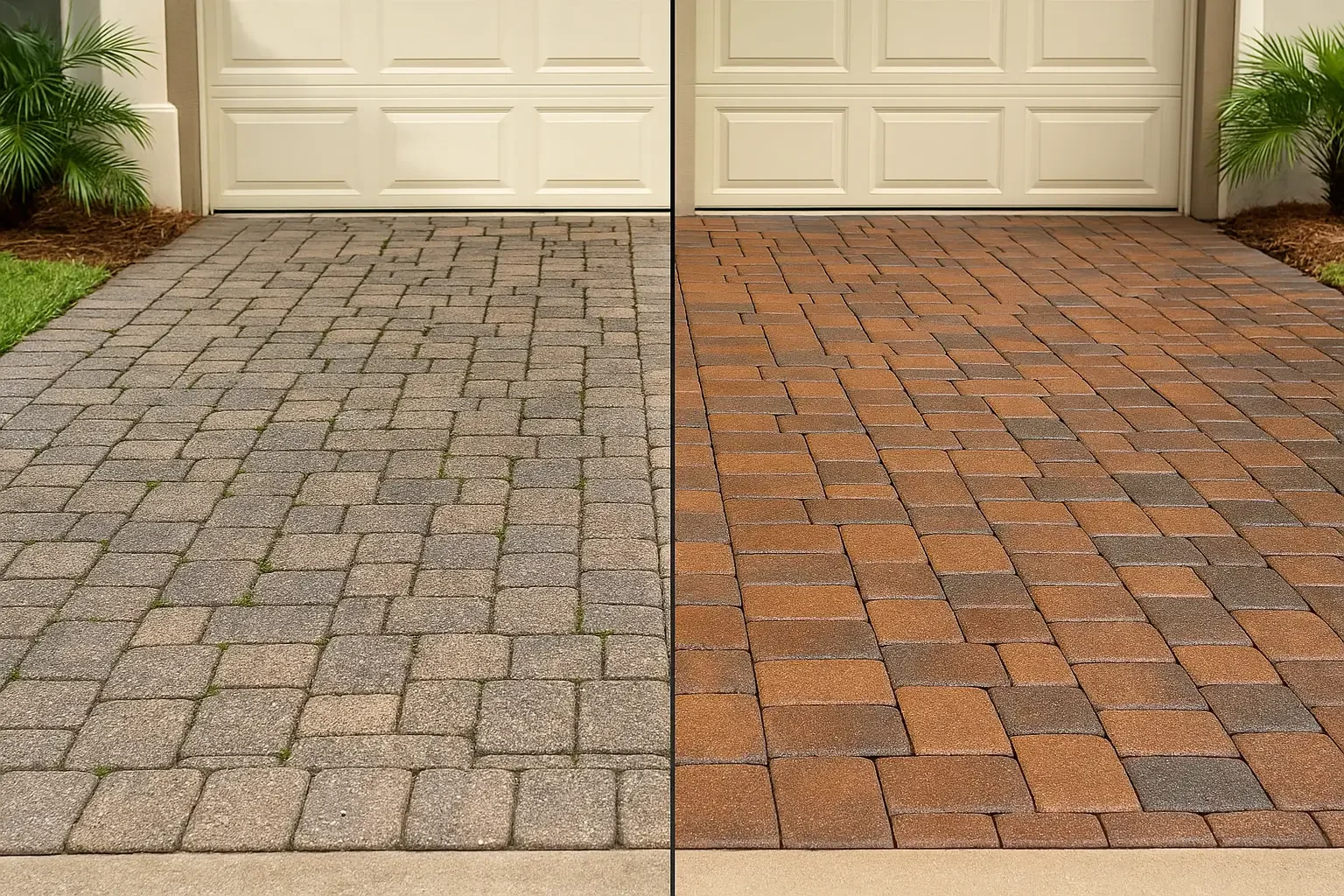
Sealing Process for Pavers
Sealing your pavers is an essential step in maintaining their appearance and durability. The sealing process protects against staining, weather damage, and wear while enhancing the color and vibrancy of your paved surfaces. Here’s how the sealing process works:
Preparation:
Assessment: Before sealing, we assess the condition of the pavers to determine if any repairs are necessary, such as replacing damaged pavers or addressing issues with the joints.
Drying Time:
After cleaning, it's crucial to allow the pavers to dry completely. The surface must be free of moisture to ensure proper adhesion of the sealant. This usually requires several hours, depending on weather conditions. Damp pavers can be sealed with a water based sealer with no issues.
Choosing the Right Sealant:
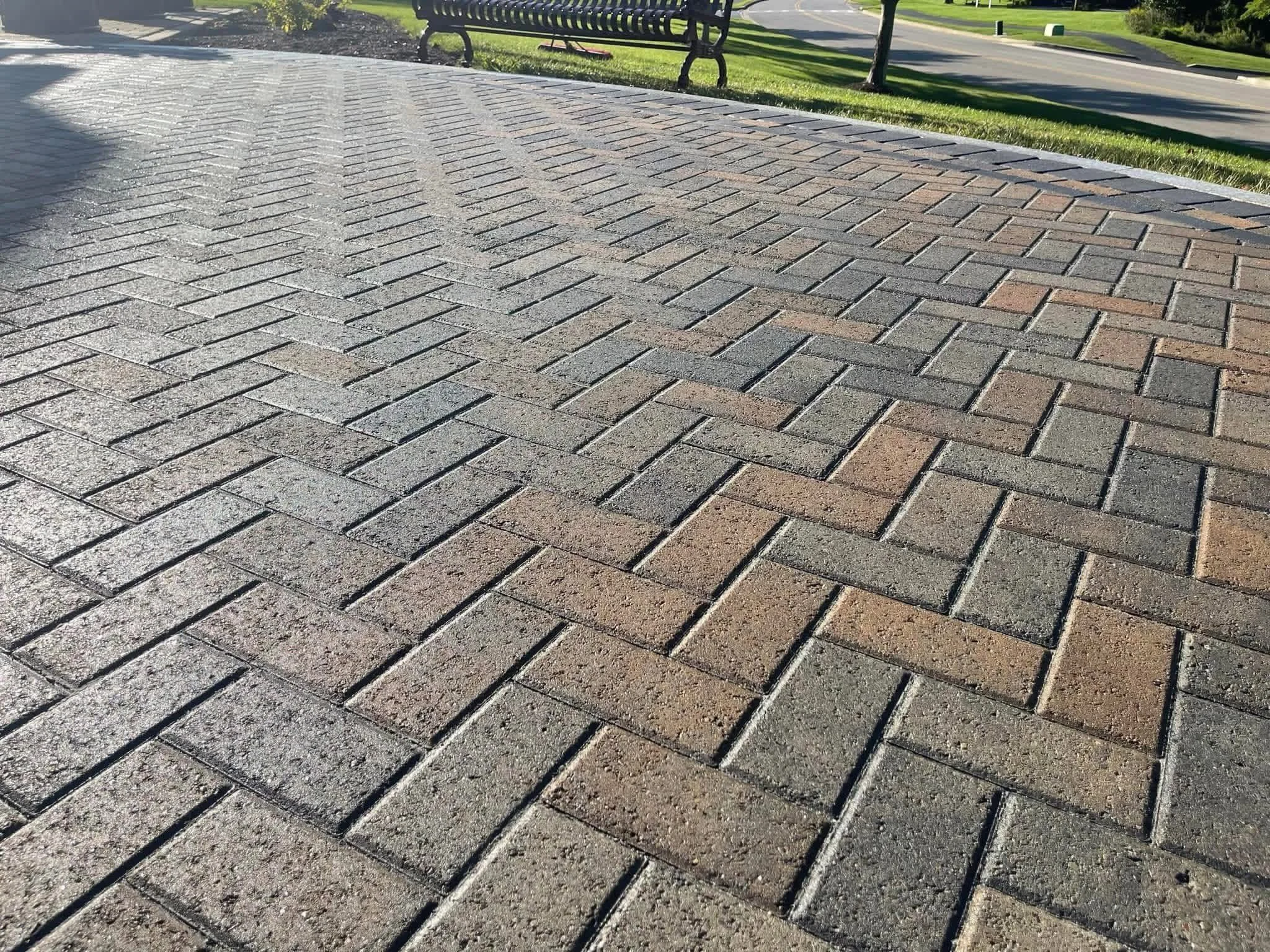
We select the appropriate sealant based on the type of pavers and specific needs. Sealants can be film-forming (creating a shiny protective layer) or penetrating (allowing the pavers to breathe while preventing moisture infiltration).
Applying the Sealant:
Method: The sealant is applied using specialized equipment such as a roller, sprayer, or brush, depending on the area size and accessibility. We ensure even coverage of the entire surface, paying special attention to joints and edges.
Multiple Coats: In some cases, a second coat may be applied after the first coat has dried (following the manufacturer's recommendations). This enhances protection and durability.
Working in Sections:
To prevent overlap marks and streaks, we work in manageable sections, ensuring that each area is thoroughly sealed before moving on to the next portion.
Drying and Curing:
After the application, we allow the sealant to dry and cure as per the manufacturer's instructions. This drying time can vary based on the type of sealant used, humidity, and temperature. During this period, it's crucial to keep foot traffic off the freshly sealed surfaces to avoid imperfections.
Final Inspection:
Once the sealant has fully cured, we conduct a final inspection to ensure uniformity and quality. Any touch-ups needed will be addressed at this stage.
Get to
know us
About Seal Squad: From the Steel City to the Sunshine State
Born in Pittsburgh, Pennsylvania, our sister company, Premier Power Cleaning, started with a simple mission: to provide the highest quality exterior maintenance with a level of reliability that’s hard to find. We didn’t just want to be another power washing company; we wanted to be the best.
Today, we are proud to be a top-rated industry leader with a reputation built on grit, integrity, and attention to detail. Our track record speaks for itself:
Hundreds of 5-Star Reviews: Our customers are our biggest advocates because we treat every driveway, patio, and walkway as if it were our own.
Tens of Thousands Served: We’ve perfected our process over years of high-volume service, ensuring every job is done right the first time.
Expert Craftsmanship: We specialize in deep-clean power washing and premium paver sealing that doesn't just look good—it lasts.
Big or Small, We Seal It All
While we love transforming local backyards, our expertise extends far beyond the driveway. Seal Squad is a full-service partner for commercial properties, HOAs, and large-scale facilities. We understand the unique needs of property managers and community boards who need to maintain curb appeal and safety on a grand scale. From sprawling apartment complexes and retail storefronts to entire neighborhood common areas, we have the equipment and the "squad" to keep your exterior clean, restored, and protected.
We’re Growing!
After dominating the Pittsburgh market, the Seal Squad is officially expanding into Florida. We are bringing our award-winning restoration services to the Sunshine State to help homeowners and businesses combat the elements. Whether you're dealing with Pennsylvania grime or Florida humidity, our squad is ready to preserve your investment.
At Seal Squad, we don’t just "wash" surfaces—we protect them for the long haul.